
Solana Flower Bed Maintenance Services
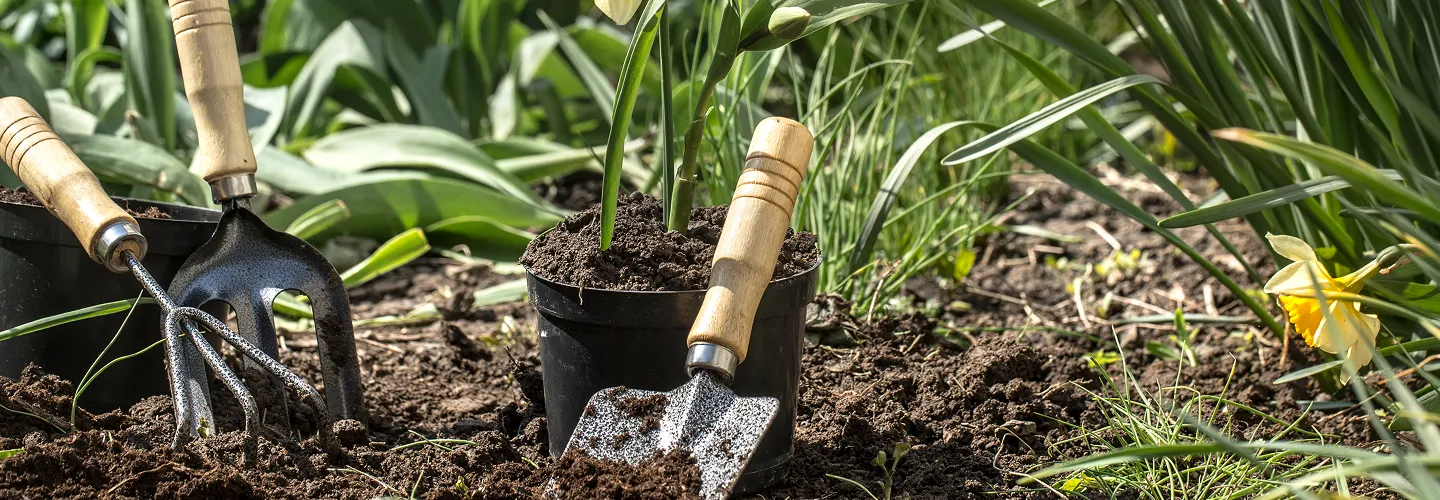
Choose our Flower Bed Maintenance for expert care that ensures your blooms stay healthy, colorful, and weed-free—so you can enjoy a beautiful, thriving garden without the hassle.
Get a Free QuoteOur Solana Landscaping & Yard Care Services
When to Schedule Flower Bed Maintenance in Solana, Florida – Seasonal Guide
In Solana, Florida, the timing of flower bed maintenance is closely tied to our unique subtropical climate and the specific needs of local landscapes. With mild winters and hot, humid summers, the best periods for comprehensive flower bed care are typically late winter through early spring and again in early fall. These windows allow for planting, mulching, and pruning before the intense summer heat or after the risk of frost has passed. Neighborhoods near the Peace River or around Solana Preserve often experience microclimates, so it’s important to consider your property’s proximity to water and shade coverage when planning maintenance.
Local environmental factors such as sandy soils, high humidity, and occasional drought conditions play a significant role in determining the optimal schedule for flower bed upkeep. For example, areas near Charlotte Harbor may face higher salt exposure, while homes in the shade of mature oaks in the Riverside Drive area might require different plant selections and maintenance routines. For more information on local environmental guidelines, visit the official Solana resource.
Local Factors to Consider for Flower Bed Maintenance in Solana
- Tree density and shade coverage, especially in neighborhoods like Riverside Drive
- Soil type (sandy, loamy, or clay) and drainage characteristics
- Average precipitation and risk of drought during summer months
- Proximity to saltwater or freshwater sources
- Local frost dates, typically occurring in late January or early February
- Municipal restrictions or HOA guidelines on landscaping
- Terrain and elevation, particularly in areas near the Peace River
Benefits of Flower Bed Maintenance in Solana
Enhanced Curb Appeal
Weed and Pest Prevention
Healthier Plant Growth
Seasonal Color Management
Professional Landscape Expertise
Time and Effort Savings
Solana Flower Bed Maintenance Types

Seasonal Flower Planting
-
Weed Control Services
-
Mulching and Soil Conditioning
-
Pruning and Deadheading
-
Fertilization Programs
-
Pest and Disease Management
-
Irrigation System Maintenance
Our Flower Bed Maintenance Process
Site Evaluation
Weed Removal
Soil Cultivation
Mulching
Plant Health Inspection
Why Choose Solana Landscape Services
-
Solana Homeowners Trust Us
-
Expert Lawn Maintenance
-
Reliable Irrigation Solutions
-
Comprehensive Yard Cleanup
-
Competitive Pricing
-
Professional Team
-
Satisfaction Guarantee
Coordinating Flower Bed Maintenance with Charlotte County Departments in Solana
Solana is an unincorporated community within Charlotte County, meaning residents and property managers coordinate landscape-related services through county-level departments rather than a municipal government. Flower bed maintenance activities that generate vegetative debris—such as spent annuals, pulled weeds, trimmed perennials, and old mulch—must be handled in accordance with Charlotte County's yard waste collection procedures. Property owners should verify current curbside pickup schedules and bundling requirements through the county's public works division before placing organic material at the curb. When flower bed work occurs near county-maintained swales, drainage easements, or right-of-way areas, it is important to prevent soil, mulch, or plant material from migrating into stormwater infrastructure.
- Confirm vegetative debris pickup schedules and container requirements with Charlotte County Public Works before disposing of bed waste curbside
- Avoid depositing soil amendments, mulch, or plant trimmings into swales, canal banks, or storm-drain inlets adjacent to flower beds
- Contact Conservation Charlotte for guidance when flower bed maintenance occurs near environmentally sensitive areas, wetland buffers, or preservation tracts
Charlotte County Public Works
Official Website: Charlotte County Public Works
Conservation Charlotte
Official Website: Conservation Charlotte
How Solana's Gulf Coast Climate and Soils Shape Flower Bed Performance
Solana sits within the Gulf Coast Florida context of Charlotte County, classified within USDA Hardiness Zone 10a, where subtropical conditions drive year-round growing potential but also impose significant stress on flower beds. The area's sandy, well-drained soils—common throughout Charlotte County's coastal and inland subdivisions—allow rapid water infiltration but also accelerate nutrient leaching, meaning that amendments and slow-release fertilizers applied to beds can wash through the root zone quickly during the wet season from June through October. Summer heat regularly exceeds 90°F with high humidity, creating conditions favorable for fungal diseases such as root rot and leaf spot in densely planted beds.
- Sandy soils require more frequent but lighter irrigation to maintain consistent moisture in flower beds without saturating root zones
- High humidity and afternoon thunderstorms during wet season increase foliar disease pressure on annuals and perennials
- Reflected heat from driveways, sidewalks, and light-colored structures intensifies thermal stress on beds positioned along hardscape edges
- Salt exposure may affect flower bed plantings in areas closer to Charlotte Harbor or tidal waterways, limiting species selection
Navigating Solana's Regulatory Framework for Flower Bed Maintenance Compliance
Charlotte County enforces property maintenance standards that apply to flower beds, including requirements to keep landscaped areas free of overgrowth, nuisance vegetation, and accumulated debris. While routine flower bed maintenance does not typically require a permit, property owners should be aware that any work involving grading changes, irrigation system modifications, or installation of retaining walls or hardscape borders near beds may trigger review through the county's community development process. Fertilizer applications within flower beds fall under Florida Statutes §403.9337, which establishes the model ordinance for Florida-Friendly fertilizer use on urban landscapes; residents should verify whether Charlotte County has adopted a local fertilizer ordinance with seasonal application restrictions using the Florida-Friendly Fertilizer Ordinances App.
- Any commercial applicator using pesticides or herbicides in flower beds must hold valid certification through the FDACS Pesticide Applicator Licensing program
- Runoff from flower bed irrigation or chemical applications must not discharge into stormwater conveyances, consistent with the Florida DEP NPDES Stormwater Program
- Flower bed modifications near retention ponds, canal easements, or lake-maintenance easements may require coordination with Charlotte County Public Works Engineering
Charlotte County Community Development
Official Website: Charlotte County Community Development
Timing Flower Bed Maintenance Around Solana's Wet Season and Heat Cycles
Professional flower bed maintenance in Solana follows seasonal rhythms dictated by the Gulf Coast's pronounced wet and dry seasons. The optimal window for major bed renovation—including soil amendment, replanting, and mulch replacement—falls in early spring (March through April) and again in early fall (October through November), when temperatures moderate and rainfall becomes more predictable. During the peak wet season, maintenance shifts toward weed suppression, deadheading, drainage monitoring, and fungal management rather than heavy planting.
- Maintain mulch depth at approximately two to three inches to suppress weeds, moderate soil temperature, and reduce moisture evaporation without smothering root crowns
- Inspect and adjust drip emitters or micro-spray heads monthly during summer to ensure uniform coverage and prevent dry pockets or oversaturation
- Deadhead spent blooms regularly during the growing season to redirect plant energy and reduce fungal habitat in humid conditions
- Select heat-tolerant annuals such as pentas, lantana, and vinca for summer beds, and transition to cool-season options like petunias and snapdragons during the mild winter months
- Remove weeds before they set seed, particularly after summer rain events that trigger rapid germination flushes in sandy soils
- Keep all soil, mulch, and organic debris swept away from adjacent sidewalks, driveways, and storm-drain openings as recommended by UF/IFAS guidance on protecting Florida's water resources
Charlotte County Utilities
Official Website: Charlotte County Utilities
What Neighborhoods Do We Serve Throughout Solana, FL?
- Rotonda West — This large planned community features numerous canal-front lots where flower bed maintenance must account for proximity to waterways, nutrient runoff prevention, and HOA landscape appearance standards.
- Rotonda Lakes — Properties in this area often have sandy fill soils and open sun exposure, requiring heat-tolerant bed selections and consistent irrigation management for flower beds along front facades.
- Rotonda Heights — Established lots with mature tree canopy create mixed-shade conditions that influence flower species selection and increase the need for fungal monitoring in shaded beds.
- Rotonda Sands — Lower-lying parcels in this section may experience higher water table conditions during wet season, affecting bed drainage and requiring raised planting strategies for sensitive ornamentals.
- Rotonda Meadows — Properties here often border open green spaces and swale systems, making it essential to prevent mulch and soil migration from flower beds into stormwater conveyances.
- Cape Haze — Proximity to Charlotte Harbor introduces salt-air exposure that limits flower bed species choices and increases the importance of salt-tolerant plantings and wind-protective bed positioning.