
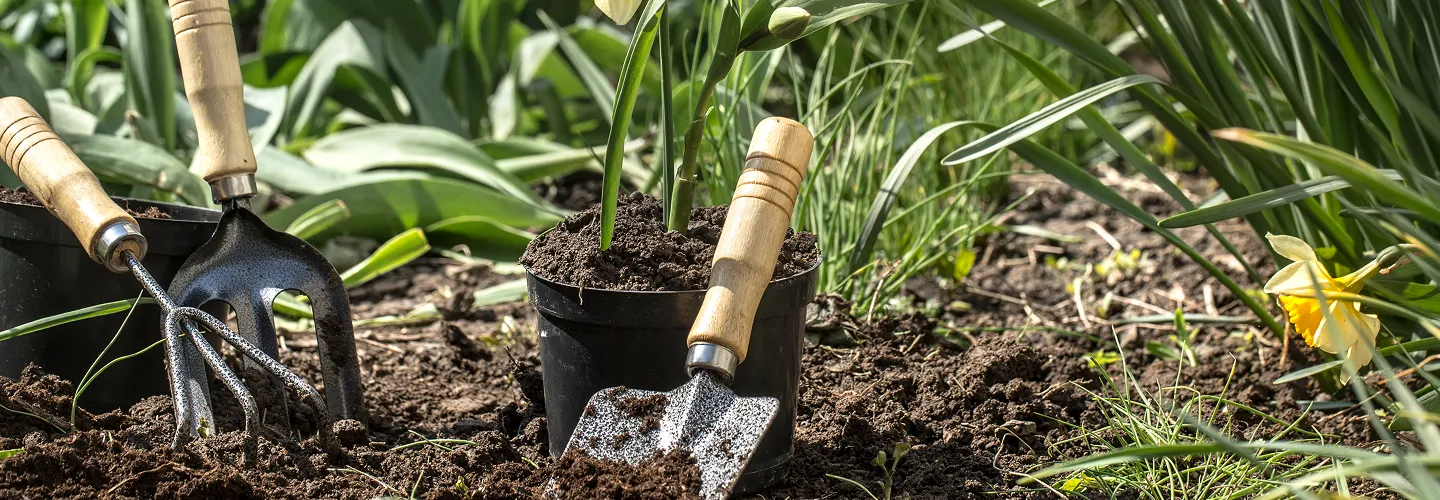
Solana Lawn Grubs Control Services
Choose our Lawn Grubs Control for proven, eco-friendly treatments that eliminate pests and restore your lawn’s health—ensuring a lush, green yard all season long.
Get a Free QuoteOur Solana Landscaping & Yard Care Services
When to Schedule Lawn Grubs Control in Solana, Florida – Seasonal Guide
In Solana, Florida, timing your lawn grubs control is crucial for maintaining a healthy, vibrant yard. The subtropical climate means that grubs are most active during the warmer months, typically from late spring through early fall. Scheduling treatments just after the last frost date and before the peak of summer heat ensures the most effective results, as grubs are closer to the surface and more susceptible to control measures. Neighborhoods near the Peace River and areas like Harbor View Road often experience higher humidity and shaded lawns, which can influence grub activity and the ideal timing for intervention.
Local environmental factors such as sandy soils, common in the Solana area, and the risk of drought during late summer months also play a significant role in determining the best schedule for grub control. Homeowners in communities like Palm Shores or near the Solana Preserve should pay close attention to municipal guidelines and seasonal precipitation patterns. For more information on local environmental considerations, visit the Sudbury town website.
Local Factors to Consider for Lawn Grubs Control in Solana
- Tree density and shade coverage, especially in neighborhoods with mature oaks and palms
- Soil type, with sandy and well-drained soils requiring different treatment timing
- Seasonal precipitation and drought risk, which can affect grub populations
- Proximity to water features like the Peace River, increasing humidity and pest pressure
- Municipal restrictions or guidelines on pesticide application
- Terrain variations, such as sloped yards or low-lying areas prone to moisture retention
Benefits of Lawn Grubs Control in Solana
Improved Lawn Health
Prevention of Turf Damage
Eco-Friendly Treatment Options
Expert Pest Identification
Long-Lasting Protection
Enhanced Curb Appeal
Solana Lawn Grubs Control Types

Biological Grub Control
-
Chemical Insecticide Treatments
-
Organic Grub Management
-
Preventative Lawn Care
-
Nematode Applications
-
Cultural Practices for Grub Prevention
-
Integrated Pest Management
Our Lawn Grubs Control Process
Inspection and Identification
Customized Treatment Plan
Targeted Application
Monitoring and Follow-Up
Why Choose Solana Landscape Services
-
Solana Homeowners Trust Us
-
Expert Lawn Maintenance
-
Reliable Irrigation Solutions
-
Comprehensive Yard Cleanup
-
Competitive Pricing
-
Professional Team
-
Satisfaction Guarantee
Coordinating Lawn Grubs Control with Charlotte County Departments in Solana
Solana is an unincorporated community within Charlotte County, meaning residents coordinate lawn grubs control matters through county-level departments rather than a municipal government. When grub infestations cause visible turf damage—irregular brown patches, spongy ground, or increased bird and armadillo activity—property owners should first confirm the pest through proper identification before initiating chemical treatments. Charlotte County's natural resources and conservation programs encourage integrated pest management (IPM) approaches that minimize environmental impact on nearby drainage systems, retention ponds, and canal corridors common throughout the Solana area.
- Confirm grub species identification before selecting any treatment product or hiring a pest control operator
- Coordinate with county stormwater infrastructure staff if treatments will occur near swales, drainage easements, or retention areas
- Review county development and land-use guidance if grub damage triggers a broader lawn renovation requiring grading or irrigation changes
- Contact Conservation Charlotte for guidance on environmentally sensitive treatment practices near natural resource areas
Conservation Charlotte
Charlotte County Community Services, Charlotte County, FL
Official Website: Conservation Charlotte
Charlotte County Community Development
Charlotte County, FL
Official Website: Charlotte County Community Development
How Solana's Gulf Coast Soils and Wet Season Intensify Lawn Grub Pressure
Solana sits within the Gulf Coast Florida climate zone, classified in USDA Hardiness Zone 10a, where subtropical heat, high humidity, and sandy soils create conditions that favor grub activity for an extended portion of the year. The area's predominant soil profiles consist of poorly drained fine sands and sandy soils with a high water table, typical of coastal Charlotte County. These conditions affect grub control in several important ways:
- Sandy, fast-draining soils allow liquid and granular insecticide products to leach rapidly below the root zone, reducing efficacy and increasing the risk of groundwater contamination
- High water table conditions common in low-lying Solana parcels can push grubs closer to the surface during wet months, concentrating damage in the upper turf canopy
- Extended warm seasons mean that grub species such as southern masked chafers and sugarcane grubs may remain active from late spring through early fall, unlike the compressed cycles seen in northern states
- Heavy wet-season rainfall from June through October saturates turf, making it difficult to time granular applications without runoff into swales, retention ponds, and canal systems
St. Augustinegrass and bahiagrass lawns, the most common turf types in Solana, are particularly susceptible to root-feeding grub damage when already stressed by summer heat and inconsistent irrigation.
Navigating Pesticide Regulations and Stormwater Compliance for Grub Control in Solana
All commercial pesticide applications for lawn grubs control in Solana must comply with Florida Statutes Chapter 487, which governs pesticide regulation and safety statewide. Any operator applying restricted-use insecticides must hold a valid license through the FDACS Pesticide Applicator Certification and Licensing program. Residents hiring pest control companies should verify active licensure before authorizing treatments.
- Grub control products containing chlorantraniliprole, imidacloprid, or trichlorfon must be applied according to label directions, which carry the force of law under Florida and federal regulations
- Applications near stormwater conveyances—including swales, curb inlets, retention basins, and canal banks—must follow Florida DEP NPDES Stormwater Program requirements to prevent discharge of pesticide-laden runoff into surface waters
- Charlotte County's MS4 stormwater permit obligations mean that pesticide misapplication affecting county drainage infrastructure may trigger compliance concerns
- Fertilizer ordinance provisions under Florida Statutes §403.9337 may also apply when grub control is combined with fertilizer-based recovery treatments; verify current local fertilizer blackout periods through county resources
Charlotte County Public Works Engineering
Charlotte County, FL
Official Website: Charlotte County Public Works Engineering
Timing and Methods for Effective Lawn Grubs Control in Solana's Climate
Professional grub control in Solana follows IPM principles adapted to the Gulf Coast's extended growing season. Correct identification is the essential first step—pulling back damaged turf sections to count grubs per square foot helps determine whether treatment thresholds have been reached. UF/IFAS Gardening Solutions provides regionally calibrated guidance on grub identification and treatment decision-making for Florida turf.
- Preventive applications using products such as chlorantraniliprole are typically applied in late spring before peak egg-laying periods, allowing the active ingredient to be in the soil profile when young grubs begin feeding
- Curative treatments with faster-acting products may be warranted when grub counts exceed damaging levels during summer and early fall, though efficacy decreases against mature larvae
- Irrigation timing is critical: most granular grub products require watering-in within 24 hours of application to move the active ingredient into the root zone where grubs feed, but overwatering on sandy Solana soils risks leaching the product past the target depth
- Post-treatment turf recovery should include adjusted mowing heights—maintaining St. Augustinegrass at 3.5 to 4 inches during recovery—and careful irrigation to support root regrowth without promoting fungal disease
- Avoid applying grub control products immediately before forecast heavy rainfall events, as runoff carrying insecticides into nearby canals and retention systems poses environmental and regulatory risks
What Neighborhoods Do We Serve Throughout Solana, FL?
- Rotonda West — This large planned community features extensive canal systems and interconnected waterways, requiring careful attention to pesticide runoff prevention during grub treatments on properties adjacent to canal banks and seawalls
- Rotonda Lakes — Properties in this area often sit on sandy fill soils with high water tables, making irrigation-dependent grub product activation particularly important to prevent leaching below the root zone
- Rotonda Heights — Larger lot sizes and mature St. Augustinegrass lawns in this section are susceptible to grub damage during extended dry periods when turf stress compounds root-feeding injury
- Rotonda Sands — Sandy soil profiles and proximity to natural drainage corridors require IPM-focused grub management to protect water quality in adjacent retention and outfall systems
- Rotonda Meadows — Properties near preserved natural areas and greenway corridors should coordinate grub treatments with environmental sensitivity, avoiding broadcast applications near habitat edges
- Cape Haze — Coastal proximity introduces salt-influenced soils and wind exposure that can stress turf independently of grub damage, making accurate pest identification essential before committing to chemical treatments