
Solana Lawn Mowing Services
Choose Solana for expert lawn mowing that keeps your yard healthy, beautiful, and hassle-free—our reliable team delivers consistent results so you can enjoy a lush, well-manicured lawn all season long.
Get a Free QuoteOur Solana Landscaping & Yard Care Services
When to Schedule Lawn Mowing in Solana, Florida – Seasonal Guide
In Solana, Florida, the timing of your lawn mowing routine is crucial for maintaining a healthy, vibrant yard. Thanks to our subtropical climate, grass grows vigorously from late spring through early fall, with peak growth typically occurring between April and September. Neighborhoods near the Peace River and the Solana Preserve experience unique microclimates—humidity levels can be higher, and shaded areas may require less frequent mowing compared to sun-exposed lawns in communities like Harbor View or along US-17.
Local environmental factors such as early spring frost dates, summer drought risk, and the sandy, well-draining soils common in Solana all play a role in determining the best mowing schedule. Homeowners should also consider municipal guidelines and seasonal precipitation patterns, which can affect both grass growth and mowing frequency. For more information on local regulations and best practices, visit the official Solana community resource.
Local Factors to Consider for Lawn Mowing in Solana
- Tree density and shade coverage (e.g., mature oaks in Riverside Park)
- Soil type and drainage, especially in areas near the Peace River
- Seasonal precipitation and drought risk
- Frost dates and temperature fluctuations
- Terrain and slope, particularly in neighborhoods with uneven landscapes
- Municipal restrictions or recommended mowing times
Benefits of Lawn Mowing in Solana

Professional Lawn Care Experts
Consistent Scheduling
Enhanced Curb Appeal
Eco-Friendly Practices
Time-Saving Services
Reliable Customer Support
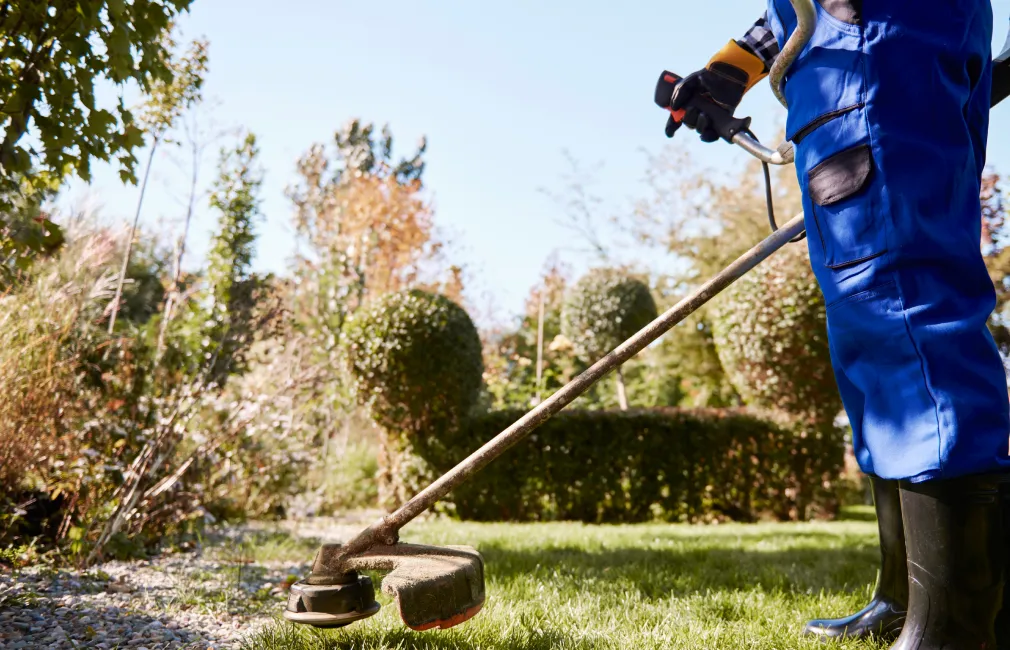
Solana Lawn Mowing Types

Standard Lawn Mowing
-
Mulching Mow
-
Bagging Mow
-
Edging and Trimming
-
Seasonal Clean-Up Mowing
-
Commercial Property Mowing
-
Eco-Friendly Mowing
Our Lawn Mowing Process
Site Evaluation
Equipment Preparation
Mowing Execution
Edging and Trimming
Cleanup
Why Choose Solana Landscape Services
-
Solana Homeowners Trust Us
-
Expert Lawn Maintenance
-
Reliable Irrigation Solutions
-
Comprehensive Yard Cleanup
-
Competitive Pricing
-
Professional Team
-
Satisfaction Guarantee
Coordinating Lawn Mowing Services with Charlotte County Departments in Solana
Solana is an unincorporated community within Charlotte County, meaning residents coordinate lawn mowing logistics—including yard waste disposal, right-of-way maintenance, and swale upkeep—through county-level departments rather than a municipal government. Charlotte County Public Works oversees vegetative debris collection and manages drainage infrastructure along public rights-of-way. Property owners and lawn care operators should verify current curbside yard waste pickup schedules and bundling requirements directly with the county, as collection protocols may change seasonally or following storm events. Grass clippings, small trimmings, and mowing debris must be kept out of roadside swales, drainage ditches, and stormwater inlets to prevent blockages and water quality degradation. For properties adjacent to county-maintained drainage easements, mowing crews should avoid depositing clippings into canal banks or retention areas.
Charlotte County Public Works
Official Website: Charlotte County Public Works
Residents with questions about drainage swale maintenance or engineering standards for stormwater flow near mowed areas may also contact the county's engineering division for guidance.
Charlotte County Public Works Engineering
Official Website: Charlotte County Public Works Engineering
How Solana's Gulf Coast Climate and Sandy Soils Shape Lawn Mowing Practices
Solana sits within the Gulf Coast Florida climate zone, characterized by intense summer heat, high humidity from late May through October, and a pronounced wet season that drives rapid turf growth. The area falls within USDA Hardiness Zone 10a, supporting warm-season grasses year-round with virtually no freeze risk in most years. Several conditions directly affect mowing frequency and technique:
- Sandy, low-nutrient soils dominate much of the Solana area, draining quickly but leaching nutrients and requiring careful irrigation coordination to maintain healthy turf density between mowings.
- High water table conditions in low-lying parcels and areas near retention ponds or drainage canals can cause saturated root zones, making mowing on wet ground a compaction and rutting risk.
- Wet-season growth surges from June through September often require weekly or even twice-weekly mowing for St. Augustinegrass and bahiagrass, the two most common turf species in the area.
- Humidity-driven fungal pressure, including gray leaf spot and brown patch, can worsen when turf is mowed too short or when clippings accumulate in thick mats during rainy periods.
- Salt exposure is generally limited in Solana compared to barrier-island communities, but properties closer to Charlotte Harbor may experience occasional salt drift that stresses turf edges.
Understanding these conditions helps property managers time mowing to avoid heat stress and waterlogged soils, as recommended by UF/IFAS Gardening Solutions – Lawn Maintenance and Care.
Navigating Solana's Regulatory Framework for Lawn Mowing and Turf Maintenance
Charlotte County enforces property maintenance standards that apply to Solana, including requirements to keep turf and vegetation at reasonable heights to prevent nuisance conditions. Code compliance officers may issue notices for overgrown lots, obstructed sidewalks, or vegetation that impairs visibility at intersections. Key regulatory considerations for lawn mowing operations include:
- Stormwater compliance: Under the Florida DEP NPDES Stormwater Program, lawn care operators must prevent grass clippings, soil, and organic debris from entering municipal stormwater conveyances, including curb inlets, swales, and canal outfalls.
- Fertilizer ordinance awareness: Charlotte County's fertilizer use regulations align with Florida Statutes §403.9337, which establishes a model ordinance for Florida-Friendly fertilizer use on urban landscapes. Verify current blackout periods and application restrictions with the county before combining mowing with fertilizer services.
- Pesticide licensing: Any operator applying herbicides or pest-control products in conjunction with mowing must hold appropriate certification through the FDACS Pesticide Applicator Licensing program.
- Noise and operating hours: Verify current county noise ordinance provisions for power equipment, particularly in residential subdivisions with HOA-enforced quiet hours.
Conservation Charlotte
Official Website: Conservation Charlotte
Timing and Technique Standards for Lawn Mowing in Solana's Heat and Humidity
Professional mowing in Solana demands attention to turf species, seasonal growth rates, and environmental protection. The following standards reflect regionally appropriate practices consistent with UF/IFAS lawn care guidance:
- Mowing height by turf type: St. Augustinegrass should be maintained at 3.5 to 4 inches, bahiagrass at 3 to 4 inches, and bermudagrass at 0.5 to 1.5 inches depending on cultivar. Cutting below these thresholds during summer heat increases drought stress and weed invasion.
- One-third rule: Never remove more than one-third of the grass blade in a single mowing. During the wet season, this may require mowing every five to seven days.
- Mow when dry: Mowing on saturated turf causes wheel rutting, soil compaction, and uneven cuts. Schedule mowing for mid-morning after dew has dried but before peak afternoon heat.
- Clipping management: On sandy, fast-draining Solana soils, leaving moderate clippings in place returns nutrients and reduces fertilizer dependency. However, thick clipping mats should be dispersed or collected to prevent smothering and fungal development.
- Blade maintenance: Dull mower blades tear grass tissue, creating entry points for fungal pathogens that thrive in Solana's humid conditions. Sharpen blades regularly throughout the growing season.
- Irrigation coordination: Mowing should be timed so that irrigation cycles do not run immediately before or after cutting. Residents should confirm current water restriction schedules through their water management district and local utility provider.
Charlotte County Utilities
Official Website: Charlotte County Utilities
What Neighborhoods Do We Serve Throughout Solana, FL?
- Rotonda West — This large planned community features numerous canal-front lots where mowing crews must prevent clippings from entering waterways, and turf areas often sit on fill soils with variable drainage characteristics.
- Rotonda Lakes — Properties here frequently border retention ponds and interior lakes, requiring careful mowing setbacks and attention to saturated turf zones during the wet season.
- Rotonda Heights — Elevated lots in this section tend toward better-drained sandy soils, but mature landscaping and shade from established trees may require adjusted mowing heights for turf health.
- Rotonda Sands — Lots in this area often feature open, sun-exposed turf with minimal tree canopy, leading to higher irrigation demand and faster growth rates during summer months.
- Rotonda Meadows — Lower-lying parcels in this neighborhood may experience seasonal high water table conditions, making mowing timing and equipment weight considerations especially important.
- Cape Haze — Properties near Cape Haze are closer to Charlotte Harbor and may experience mild salt drift; turf species selection and mowing height adjustments help maintain resilience in these conditions.