
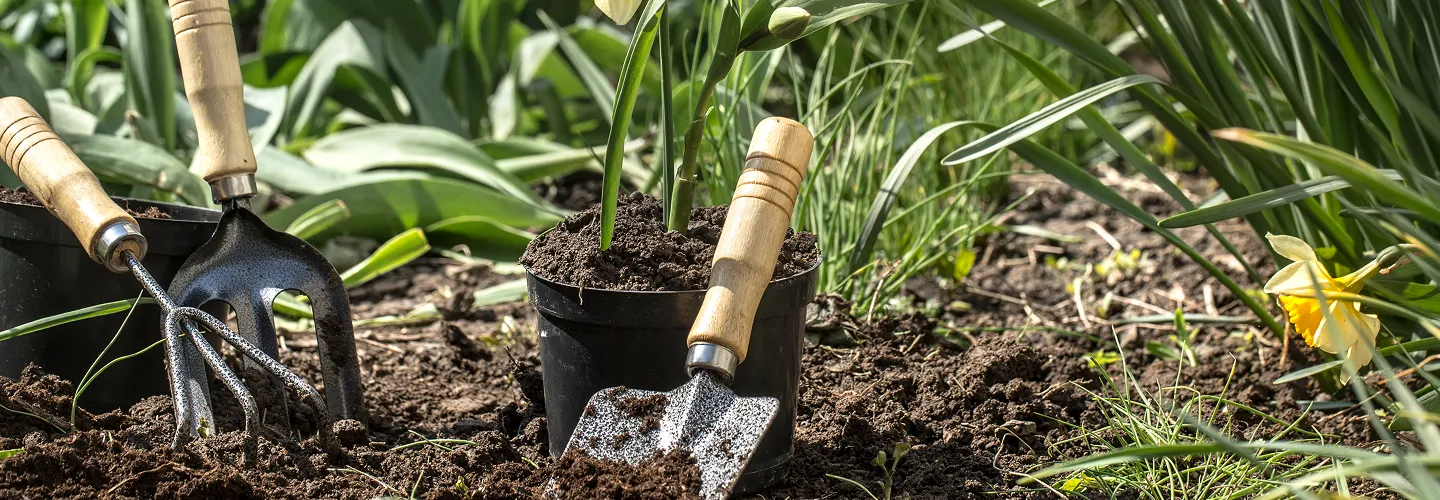
Solana Green Waste Disposal Services
Choose our Green Waste Disposal for reliable, environmentally responsible service that keeps your property clean and supports a healthier planet. We make it easy to dispose of yard debris, branches, and organic waste—safely and sustainably.
Get a Free QuoteOur Solana Landscaping & Yard Care Services
When to Schedule Green Waste Disposal in Solana, Florida – Seasonal Guide
In Solana, Florida, the timing of green waste disposal is closely tied to our unique subtropical climate and the rhythms of local landscaping needs. The optimal periods for scheduling green waste removal are typically late winter through early spring and again in late summer, just before the peak of hurricane season. These windows align with the end of the dormant period for many native plants and the time when residents in neighborhoods like Palm Shores and near the Peace River prepare their yards for new growth or storm readiness.
Local environmental factors play a significant role in determining the best disposal schedule. For example, Solana’s proximity to the river means higher humidity and occasional flooding, which can accelerate plant growth and debris accumulation. The area’s sandy soils, frequent afternoon showers, and the risk of late frosts—especially in shaded areas near Charlotte Harbor—also influence when it’s safest and most effective to clear green waste. For more information on local guidelines and environmental considerations, visit the official Solana community resource.
Local Factors to Consider for Green Waste Disposal in Solana
- Tree density and types of vegetation (e.g., palms, oaks, and tropical shrubs)
- Terrain and drainage patterns, especially in low-lying neighborhoods
- Seasonal precipitation and risk of drought
- Municipal restrictions on disposal dates and accepted materials
- Proximity to water bodies and flood-prone zones
- Shade coverage and microclimates within your property
- Soil type and its impact on decomposition rates
Benefits of Green Waste Disposal in Solana
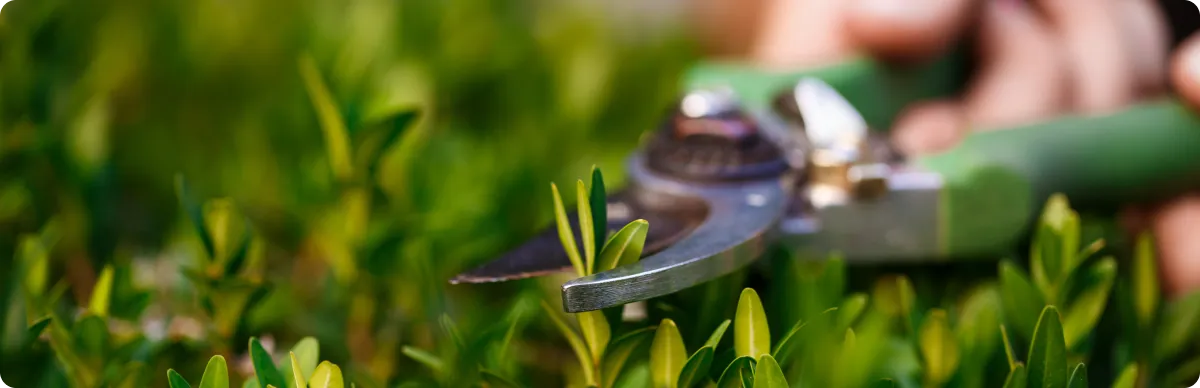
Eco-Friendly Landscaping Solutions
Efficient Green Waste Removal
Promotes Healthy Plant Growth
Reduces Landfill Waste
Supports Local Sustainability
Enhances Property Appearance
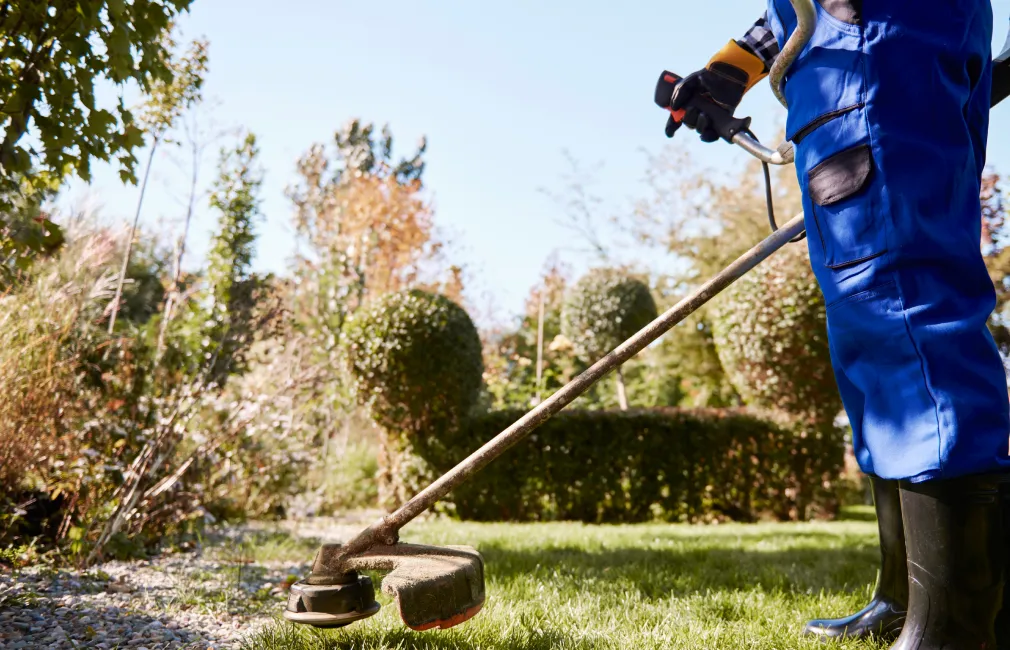
Solana Green Waste Disposal Types

Grass Clippings
-
Tree Branches
-
Shrub Prunings
-
Leaves Collection
-
Garden Weeds
-
Wood Chips
-
Plant Trimmings
Our Green Waste Disposal Process
Collection of Green Waste
Sorting and Separation
Transport to Disposal Facility
Eco-Friendly Processing
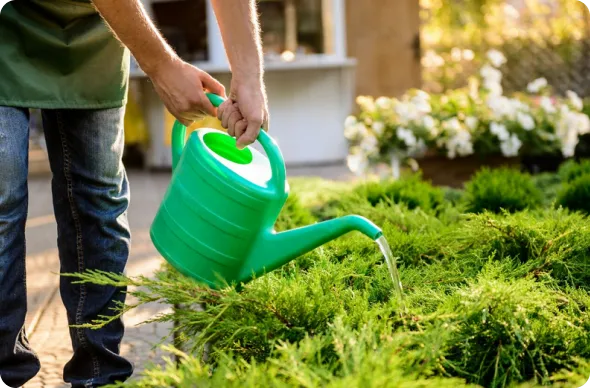
Why Choose Solana Landscape Services
-
Solana Homeowners Trust Us
-
Expert Lawn Maintenance
-
Reliable Irrigation Solutions
-
Comprehensive Yard Cleanup
-
Competitive Pricing
-
Professional Team
-
Satisfaction Guarantee
Coordinating Green Waste Disposal Through Charlotte County Public Works in Solana
Solana is an unincorporated community within Charlotte County, which means green waste disposal services fall under county-level coordination rather than a standalone municipal program. Charlotte County Public Works oversees vegetative debris collection, curbside yard waste pickup, and right-of-way maintenance throughout the Solana area. Residents and property managers should verify current collection schedules, accepted material types, and container or bundling requirements directly through the county before placing green waste at the curb. Accepted organic materials typically include grass clippings, leaves, small branches, palm fronds, and shrub trimmings, though specific size and volume limits should be confirmed with the department.
- Separate green waste from household trash and recyclables before placement at the curb
- Bundle branches and palm fronds according to county length and diameter guidelines
- Do not place green waste over storm drains, swale inlets, or drainage ditches
- Confirm whether commercial landscape contractors must haul debris independently or may use county collection services
Charlotte County Public Works
Official Website: Charlotte County Public Works
For properties adjacent to canals, retention ponds, or county-maintained swales, Conservation Charlotte provides guidance on keeping organic debris out of sensitive drainage corridors.
How Solana's Gulf Coast Climate and Soils Shape Green Waste Volume
Solana sits within the Gulf Coast Florida context, characterized by high summer heat, elevated humidity from late May through October, and a pronounced wet season that drives rapid vegetative growth. The area falls within USDA Hardiness Zone 10a, supporting year-round growth of tropical and subtropical species including sabal palms, live oaks, sea grapes, and dense St. Augustinegrass turf. This extended growing season produces substantially more green waste than temperate climates, particularly during the wet season when weekly mowing, hedge trimming, and palm frond cleanup generate large volumes of organic material.
- Sandy, poorly drained soils common in Solana's subdivisions promote shallow root systems that shed debris readily during storms
- High water tables across much of Charlotte County increase the risk of organic material washing into swales and retention areas during heavy rainfall
- Salt exposure from Gulf proximity accelerates leaf drop and branch dieback in coastal-facing plantings
- Tropical storm events between June and November can produce sudden surges of vegetative debris requiring rapid disposal coordination
These conditions mean that green waste disposal in Solana is not a seasonal task but a continuous management responsibility tied directly to the area's subtropical climate cycle.
Navigating Solana's Regulatory Framework for Green Waste and Debris Compliance
Green waste disposal in the Solana area must comply with Charlotte County ordinances governing vegetative debris placement, hauling, and disposal. Property owners should not allow yard waste to accumulate in rights-of-way beyond scheduled collection periods, as prolonged debris piles can obstruct drainage flow and attract code compliance attention. The Florida DEP NPDES Stormwater Program establishes stormwater discharge standards that apply to Charlotte County's municipal separate storm sewer system (MS4), making it essential that green waste never enters storm drains, canal banks, or retention basins.
- Dumping or burning vegetative debris in unauthorized locations may result in code enforcement action
- Commercial landscapers generating green waste on client properties should verify whether county collection applies or whether independent hauling to an approved facility is required
- Properties near environmentally sensitive areas may face additional restrictions; contact Charlotte County Community Development for site-specific guidance
Charlotte County Community Development
Official Website: Charlotte County Community Development
The Summary of the Clean Water Act provides the federal framework underlying local stormwater protections, and property managers should understand that organic debris entering waterways constitutes a potential discharge violation under these standards.
Timing and Methods for Green Waste Disposal in Solana's Subtropical Environment
Effective green waste disposal in Solana requires alignment with the area's climate-driven growth patterns and storm cycles. During the wet season, turf and landscape plantings may require weekly or biweekly maintenance, generating consistent volumes of clippings, trimmings, and fallen fronds. Scheduling disposal promptly after each maintenance event prevents debris from saturating in afternoon thunderstorms and washing into nearby drainage infrastructure.
- Cut branches and palm fronds to manageable lengths before bundling for curbside placement
- Bag grass clippings and leaf litter in approved containers rather than leaving loose piles that can scatter during wind events
- After tropical storms or hurricanes, follow county-issued emergency debris collection protocols rather than standard curbside schedules
- Avoid staging green waste near canal edges, pond banks, or swale shoulders where runoff can carry organic material into the stormwater system
For properties with mature live oaks, sabal palms, or dense hedge rows, periodic large-scale cleanups may exceed standard curbside collection limits. In these cases, property owners should coordinate with Charlotte County Public Works Engineering regarding approved hauling routes and disposal sites. The UF/IFAS guide to protecting Florida's water resources offers additional context on preventing nutrient loading from decomposing organic material near waterways.
Florida County Forester Directory
Official Website: Florida County Forester Directory
What Neighborhoods Do We Serve Throughout Solana, FL?
- Rotonda West — This large planned community features extensive canal systems and retention ponds, requiring careful green waste staging to prevent organic debris from entering waterways adjacent to residential lots.
- Rotonda Lakes — Properties here often border low-lying drainage areas with sandy soils and high water tables, making prompt green waste removal essential to avoid debris migration during wet-season storms.
- Rotonda Sands — Mature landscaping and larger lot sizes in this section generate significant volumes of palm fronds and tree trimmings that may exceed standard curbside pickup limits.
- Rotonda Heights — Elevated terrain relative to surrounding areas provides better drainage, though residents should still avoid placing green waste near swale inlets along roadway edges.
- Rotonda Meadows — Open lot configurations and newer plantings produce moderate green waste volumes, with particular attention needed during the rapid growth months of June through September.
- Cape Haze — Proximity to coastal waterways and Gulf access points makes stormwater-safe green waste handling especially important for properties in this area.