
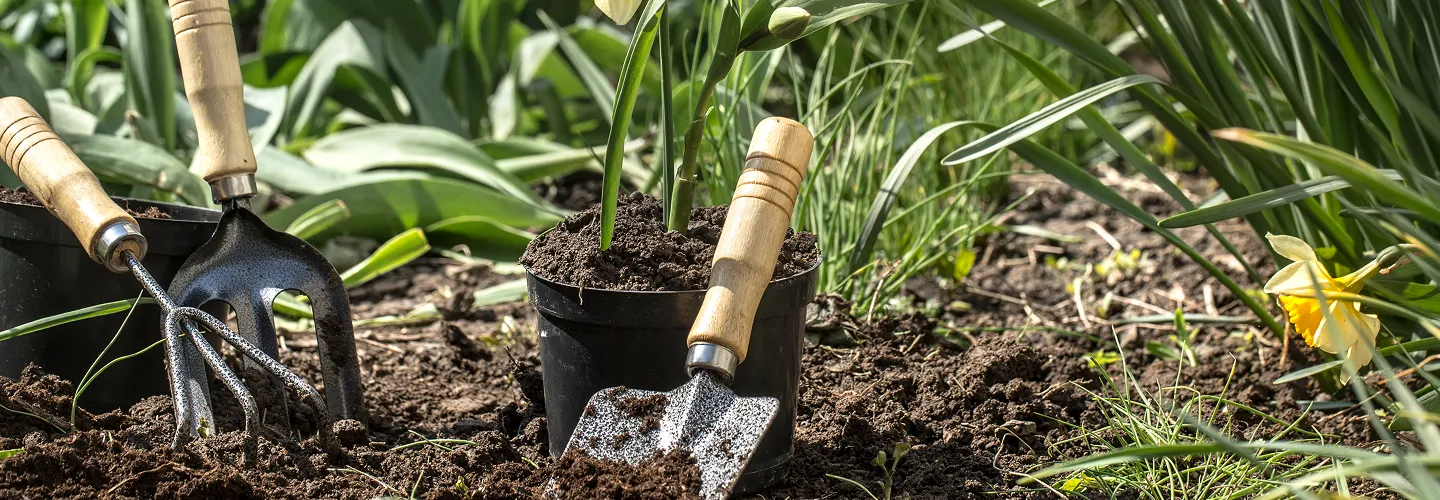
Solana Flower Planting Services
Choose Solana for vibrant, expertly arranged flower beds that boost your home's curb appeal and create a welcoming outdoor oasis—our experienced team ensures every planting thrives in your unique landscape.
Get a Free QuoteOur Solana Landscaping & Yard Care Services
When to Schedule Flower Planting in Solana, Florida – Seasonal Guide
Flower planting in Solana, Florida, is best scheduled with careful attention to our unique subtropical climate and local landscape features. The optimal planting windows are typically late winter through early spring and again in early fall, when temperatures are moderate and rainfall is more predictable. In neighborhoods like Palm Shores and near the Solana Preserve, residents benefit from slightly cooler microclimates and well-drained sandy soils, which support a wide variety of annuals and perennials.
Local environmental factors play a significant role in determining the best time for planting. Solana’s proximity to the Peace River means humidity levels can be high, and occasional droughts may affect soil moisture. It’s important to consider the last expected frost date—usually in late January—as well as the risk of heavy summer rains that can stress new plantings. Homeowners near Solana Park or along Riverside Drive should also account for shade from mature oaks and municipal guidelines, which can be found on the town’s official website.
Local Factors to Consider for Flower Planting in Solana
- Tree density and shade coverage, especially in established neighborhoods
- Soil type and drainage, with sandy soils common near the river
- Seasonal precipitation patterns and drought risk
- Frost dates and temperature fluctuations
- Terrain variations, such as low-lying or flood-prone areas
- Municipal restrictions or guidelines for landscaping projects
Benefits of Flower Planting in Solana
Expert Landscaping Team
Customized Garden Designs
Sustainable Plant Selection
Seasonal Color Enhancements
Low-Maintenance Solutions
Boosted Curb Appeal
Solana Flower Planting Types

Perennial Flower Beds
Long-lasting blooms that return year after year for vibrant landscapes.
-
Annual Flower Displays
Seasonal color bursts with a wide variety of annual flower options.
-
Native Wildflower Gardens
Eco-friendly gardens featuring flowers native to the local region.
-
Pollinator-Friendly Plantings
Flower beds designed to attract bees, butterflies, and other pollinators.
-
Shade Garden Flowers
Specialized plantings for areas with limited sunlight.
-
Drought-Tolerant Flower Beds
Low-maintenance options ideal for water-wise landscaping.
-
Container Flower Arrangements
Versatile flower displays perfect for patios, decks, and small spaces.
Our Flower Planting Process
Site Evaluation
Soil Preparation
Flower Selection
Planting
Watering and Mulching
Why Choose Solana Landscape Services
-
Solana Homeowners Trust Us
-
Expert Lawn Maintenance
-
Reliable Irrigation Solutions
-
Comprehensive Yard Cleanup
-
Competitive Pricing
-
Professional Team
-
Satisfaction Guarantee
Coordinating Flower Planting Projects with Charlotte County Departments in Solana
Solana is an unincorporated community within Charlotte County, meaning residents and property managers coordinate flower planting projects through county-level departments rather than a municipal government. When flower planting involves changes to landscaped areas visible from public rights-of-way, or when beds are installed near drainage swales, retention ponds, or canal easements, property owners should verify site requirements through the county's development review process. Charlotte County Community Development handles land-use compliance and can clarify whether proposed planting modifications trigger any site-plan review, particularly on commercial parcels or within planned developments with recorded landscape standards.
- Confirm whether your property falls within a special overlay district or planned development with landscape covenants before installing new flower beds
- Coordinate with county utilities if irrigation lines must be extended or modified to serve new planting areas
- Verify setback and easement boundaries to avoid planting within drainage or utility easements maintained by the county
Charlotte County Community Development
18400 Murdock Circle, Port Charlotte, FL 33948
Official Website: Charlotte County Community Development
Charlotte County Parks
Official Website: Charlotte County Parks
How Solana's Gulf Coast Climate and Sandy Soils Shape Flower Planting
Solana sits within the Gulf Coast Florida climate context, classified in USDA Hardiness Zone 10a, where subtropical conditions dominate year-round planting decisions. The area's sandy, low-organic soils drain rapidly, which accelerates nutrient leaching and demands careful soil amendment before installing flowering plants. Charlotte County's wet season, typically running from June through October, delivers heavy afternoon thunderstorms that can saturate beds, promote root rot in poorly drained installations, and flush loose soil or mulch into nearby swales and storm drains.
- Heat intensity: Summer temperatures regularly exceed 90°F with high humidity, stressing cool-season annuals and requiring heat-tolerant species such as pentas, lantana, blanket flower, and firebush
- Sandy soil behavior: Native soils in Solana-area subdivisions are predominantly fine sands with low water-holding capacity, requiring organic amendments like composted material to improve moisture retention
- Salt exposure: Properties closer to the harbor or tidal waterways may experience periodic salt drift, favoring salt-tolerant flowering species such as beach sunflower, dune sunflower, and sea oxeye daisy
- High water table: Low-lying lots near canals or retention areas may encounter seasonally high water tables, limiting root-zone depth and requiring raised bed construction or species adapted to periodic saturation
Residents should consult the USDA Web Soil Survey to identify the specific soil series on their parcel before selecting amendments or planting depths.
Navigating Solana's Regulatory Framework for Flower Planting Compliance
While routine flower planting on residential lots in unincorporated Charlotte County generally does not require a permit, several regulatory layers may apply depending on the project's scope and location. Properties adjacent to canals, retention ponds, or jurisdictional wetlands must avoid disturbing buffer zones, and any grading or soil movement near these features may require coordination with the Florida DEP NPDES Stormwater Program or the South Florida Water Management District.
- Fertilizer applications associated with flower bed establishment should comply with Florida Statutes §403.9337, which provides the model ordinance framework for Florida-Friendly fertilizer use on urban landscapes; verify current local adoption status through the county
- Any pesticide or herbicide application during bed preparation by a commercial operator requires proper FDACS certification and licensing
- Flower planting within county rights-of-way, medians, or public easements requires prior authorization from Charlotte County Public Works
- HOA-governed communities throughout the Solana area may impose additional species restrictions, color palettes, or bed-dimension standards that supersede general county requirements
Charlotte County Public Works
Official Website: Charlotte County Public Works
Timing and Professional Standards for Flower Planting in Solana's Subtropical Season
Successful flower planting in Solana depends on aligning installation with the area's distinct wet and dry seasons and managing irrigation carefully during establishment. The optimal planting windows for most warm-season flowering species fall in early spring (March through May) and again in early fall (October through November), when temperatures moderate slightly and rainfall transitions allow controlled watering schedules. Mid-summer installations face intense heat stress and daily storm saturation, while the brief cool season from December through February introduces occasional frost risk for tender tropicals.
- Prepare beds by incorporating two to three inches of organic compost into the top six to eight inches of native sand to improve water retention and root establishment
- Install drip irrigation or micro-spray emitters rather than overhead sprinklers to reduce foliar disease pressure in Solana's humid conditions and to comply with EPA WaterSense outdoor efficiency guidance
- Apply two to three inches of mulch around plantings, keeping mulch pulled back from stems to prevent crown rot, and replenish after heavy wet-season storms that displace material
- Select species suited to full sun or partial shade based on actual site exposure; south- and west-facing beds in Solana receive intense reflected heat from driveways and structures
- Avoid planting within 24 hours of forecast heavy rain events to prevent soil washout and sediment discharge into nearby storm drains or swales
Irrigation during the establishment period should follow the watering restrictions set by the local water management district; verify current schedules through Charlotte County Utilities.
What Neighborhoods Do We Serve Throughout Solana, FL?
- Rotonda West: This large planned community features canal-front lots where flower planting must account for canal-edge setbacks, salt-tolerant species near tidal canals, and HOA landscape standards that often govern bed placement and plant selection.
- Rotonda Lakes: Properties in this section frequently sit on filled sandy lots with limited organic content, requiring thorough soil amendment before flower installation and careful irrigation design to prevent nutrient runoff into adjacent retention areas.
- Rotonda Heights: Elevated lots in this area offer improved drainage but increased sun and wind exposure, making heat-tolerant and drought-resistant flowering species essential for long-term bed performance.
- Rotonda Sands: Lots near preserved natural areas and greenways in this neighborhood may border environmentally sensitive zones, requiring property owners to confirm buffer requirements through Conservation Charlotte before establishing new planting beds.
- Rotonda Meadows: This section includes properties with mature landscaping and established shade canopy, creating opportunities for shade-tolerant flowering species such as impatiens, crossandra, and jacobinia in understory bed installations.
- Cape Haze: Waterfront and near-coastal parcels in Cape Haze demand salt-tolerant flowering selections and wind-resistant planting techniques, with particular attention to drainage patterns that direct runoff toward harbor-connected waterways.