
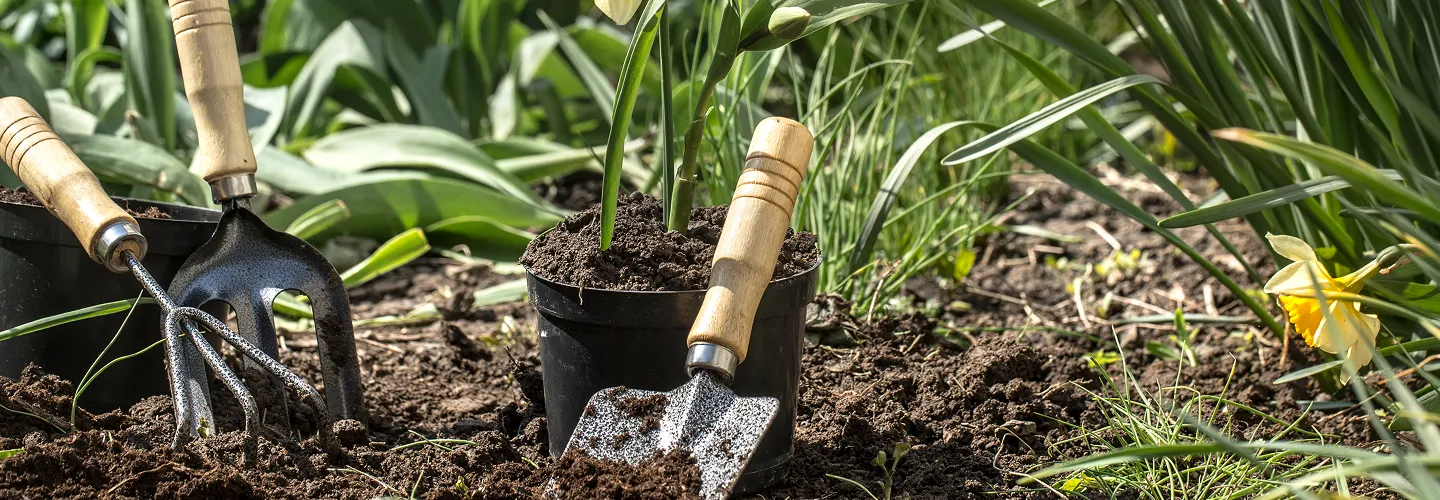
Solana Weeding Services
Choose our expert weeding services for a healthier, more beautiful landscape—our team ensures your plants thrive by removing unwanted weeds efficiently and safely, saving you time and effort.
Get a Free QuoteOur Solana Landscaping & Yard Care Services
When to Schedule Weeding in Solana, Florida – Seasonal Guide
In Solana, Florida, the timing of weeding services is crucial for maintaining healthy, attractive landscapes. Thanks to our subtropical climate, weeds can thrive nearly year-round, but the most effective periods for weeding are typically late winter through early spring and again in late summer. These windows align with Solana’s unique weather patterns—after the last frost date and before the peak of summer humidity, as well as following the rainy season when soil is moist but not waterlogged. Neighborhoods near the Peace River or close to Solana Preserve often experience higher humidity and denser shade, which can influence weed growth and the best times for removal.
Local environmental factors such as sandy soils, common in areas around Riverside Drive, and the risk of drought during late spring can also impact weeding schedules. Homeowners should be aware of municipal guidelines, which may restrict certain herbicide applications. For more information on local regulations, visit the official town website. By considering these local characteristics, you can ensure your landscape remains weed-free and healthy throughout the year.
Local Factors to Consider for Weeding in Solana
- Tree density and shade coverage, especially in neighborhoods like Solana Shores
- Soil type (sandy vs. loamy) and drainage
- Seasonal precipitation and risk of drought
- Proximity to water bodies such as the Peace River
- Municipal restrictions on herbicide use
- Terrain and slope, which affect runoff and weed spread
Benefits of Weeding in Solana
Enhanced Curb Appeal
Healthier Plant Growth
Reduced Pest Infestation
Improved Soil Quality
Increased Property Value
Eco-Friendly Landscaping Solutions
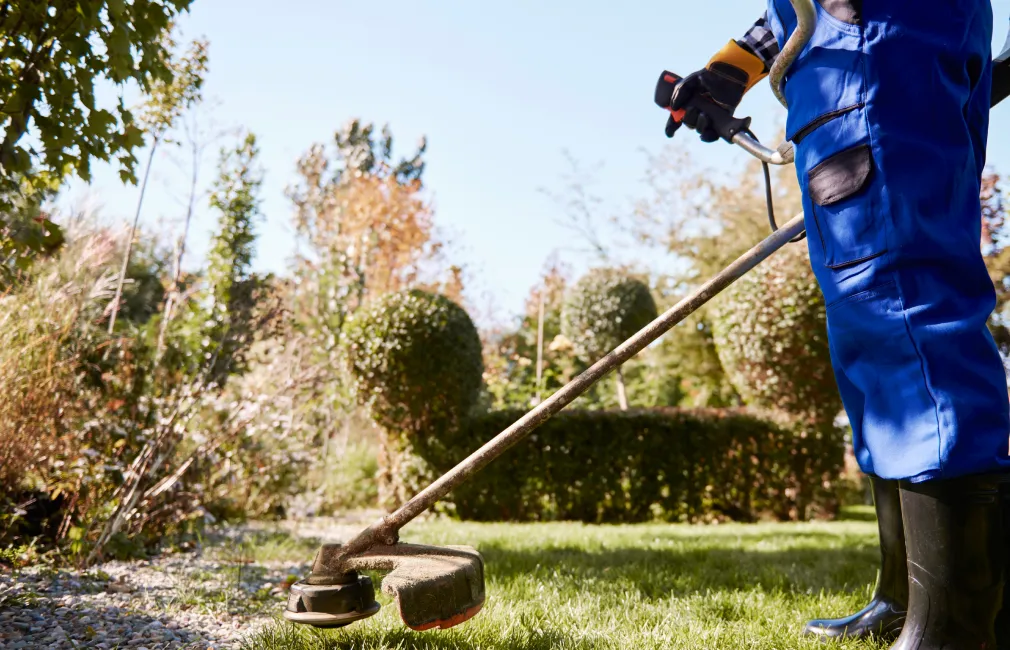
Solana Weeding Types

Hand Weeding
-
Mechanical Weeding
-
Mulching
-
Chemical Weed Control
-
Flame Weeding
-
Soil Solarization
-
Cover Cropping
Our Weeding Process
Site Evaluation
Weed Identification
Manual Removal
Soil Cultivation
Preventative Measures
Why Choose Solana Landscape Services
-
Solana Homeowners Trust Us
-
Expert Lawn Maintenance
-
Reliable Irrigation Solutions
-
Comprehensive Yard Cleanup
-
Competitive Pricing
-
Professional Team
-
Satisfaction Guarantee
Coordinating Weeding Services With Charlotte County Departments in Solana
Solana is an unincorporated community within Charlotte County, meaning county-level departments oversee property maintenance standards, stormwater protection, and environmental compliance rather than a standalone municipal government. Residents and property managers undertaking weeding on residential or commercial parcels should be aware that vegetative debris generated from large-scale bed weeding—particularly when clearing invasive species or overgrown areas—must be handled in accordance with county yard waste collection guidelines. Charlotte County Public Works coordinates curbside vegetative debris pickup, and property owners should verify current bundling, container, and scheduling requirements before placing pulled weeds or organic material at the curb.
- Weeds pulled from beds adjacent to swales, drainage ditches, or retention areas should never be left where they can wash into stormwater infrastructure during rain events.
- Properties near canal easements or county-maintained drainage corridors should confirm right-of-way boundaries before performing weeding work in those zones.
- Large-scale weed removal generating significant organic waste may require coordination with county disposal services beyond standard curbside pickup.
Charlotte County Public Works
7000 Florida St, Punta Gorda, FL 33950
Official Website: Charlotte County Public Works
For properties adjacent to environmentally sensitive areas, Conservation Charlotte provides guidance on native plant preservation and invasive species identification, which directly informs responsible weeding decisions.
Conservation Charlotte
Official Website: Conservation Charlotte
How Solana's Gulf Coast Climate and Sandy Soils Intensify Weed Pressure
Solana sits within the Gulf Coast Florida context, experiencing a subtropical climate characterized by intense summer heat, high humidity, and a pronounced wet season running roughly from June through October. These conditions create an environment where weed germination and growth are aggressive and nearly year-round. The USDA Plant Hardiness Zone Map places this area in Zone 10a, where mild winters rarely produce hard freezes capable of suppressing weed seed banks.
- Sandy, well-drained soils predominate across much of Charlotte County, meaning nutrients leach quickly and weed species adapted to low-fertility sandy substrates—such as spurge, chamberbitter, and Florida pusley—thrive where cultivated plants struggle.
- High water table conditions in low-lying areas near retention ponds and canal corridors promote sedge species, including yellow and purple nutsedge, which resist hand-pulling due to underground tuber networks.
- Afternoon thunderstorms during wet season trigger rapid weed flushes within 48–72 hours, making timing critical for both manual and chemical weeding approaches.
- Reflected heat from driveways, sidewalks, and light-colored shell or gravel surfaces along bed edges accelerates weed germination in landscape borders.
Understanding these site-specific pressures helps property owners plan weeding frequency rather than reacting after weeds have already set seed and spread.
Navigating Herbicide Regulations and Stormwater Compliance for Weeding in Solana
Any application of herbicides for weed control on Solana properties must comply with Florida's pesticide regulatory framework. Under Florida Statutes Chapter 487, commercial applicators performing weed control for hire must hold valid certification through the Florida Department of Agriculture and Consumer Services (FDACS) pesticide licensing program. Property owners applying herbicides on their own residential property are not required to hold a commercial license but must still follow all label directions, which carry the force of law.
- Pre-emergent and post-emergent herbicides applied near swales, retention ponds, canal banks, or storm-drain inlets must be managed to prevent runoff into surface waters, consistent with the Florida DEP NPDES Stormwater Program.
- Granular pre-emergent products should not be applied to impervious surfaces or allowed to migrate off-target into drainage infrastructure.
- Herbicide drift from spray applications near waterways, wetland buffers, or neighboring properties can trigger code enforcement action and environmental liability.
- Charlotte County's code compliance division may address properties where excessive weed growth constitutes a nuisance or visibility hazard along roadways and sidewalks; verify current thresholds with the county.
Charlotte County Community Development
18400 Murdock Circle, Port Charlotte, FL 33948
Official Website: Charlotte County Community Development
Timing Weeding Around Solana's Wet Season and Warm-Season Growth Cycles
Effective weeding in Solana requires alignment with the area's seasonal patterns rather than a fixed calendar schedule. Professional standards emphasize removing weeds before they reach the flowering and seed-set stage, which in this climate can occur rapidly after each rain event.
- Late winter through early spring (February–April) is the optimal window for applying pre-emergent herbicides to landscape beds, targeting summer annual weeds before soil temperatures consistently exceed 65°F at a two-inch depth.
- Hand weeding is most productive when performed within one to three days after rainfall, when sandy soils are moist enough to allow full root extraction—particularly important for tap-rooted species like Florida betony.
- Post-emergent spot treatments should be scheduled during dry windows of at least 24 hours to prevent wash-off and maximize herbicide uptake by actively growing weeds.
- Mulch replenishment to a depth of two to three inches after weeding suppresses new germination and reduces the frequency of follow-up weeding cycles; UF/IFAS Gardening Solutions recommends maintaining consistent mulch cover as part of an integrated weed management approach.
- Bed-edge maintenance—keeping a clean separation between turf and planting beds—reduces lateral weed encroachment from runners such as torpedograss and bermudagrass stolons.
Avoiding weeding during peak afternoon heat protects both workers and freshly disturbed soil from rapid moisture loss.
What Neighborhoods Do We Serve Throughout Solana, FL?
- Rotonda West — This large planned community features extensive canal-front lots where nutsedge and aquatic-edge weeds require consistent management near waterway buffers and retention areas.
- Rotonda Lakes — Properties here often sit on sandy fill soils with minimal organic content, creating conditions where opportunistic weeds colonize landscape beds quickly after installation.
- Rotonda Heights — Mature landscaping and established tree canopy in portions of this area produce shaded bed environments where shade-tolerant weeds such as dollarweed and artillery fern are common.
- Rotonda Sands — Newer construction lots with recently graded soils are particularly susceptible to pioneer weed species that establish rapidly in disturbed, nutrient-poor sandy substrates.
- Cape Haze — Proximity to coastal areas introduces salt-tolerant weed species and wind-carried seed dispersal patterns that differ from inland Solana neighborhoods.
- Placida — Waterfront and near-waterfront parcels in this area demand careful herbicide selection and application methods to protect adjacent tidal and estuarine environments from chemical runoff.